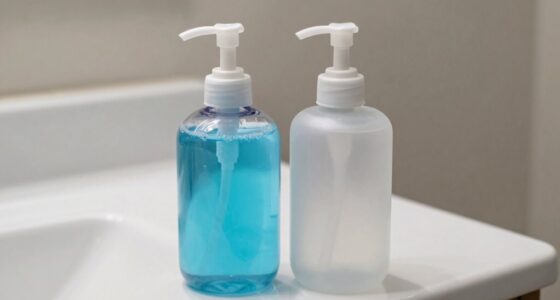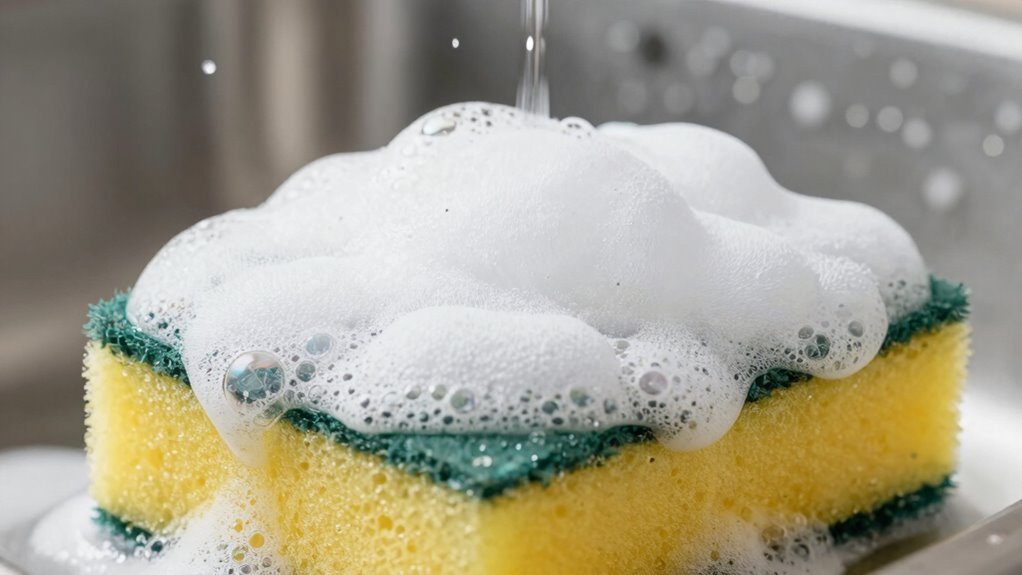

Many believe more foam means a cleaning product is stronger, but that’s a misconception. Foam mainly helps lift dirt, not remove stains or bacteria, and many effective cleaners produce little to no foam. The key to good cleaning is the ingredients, not how much foam there is. Safer, eco-friendly formulas often foam less but work just as well. For smarter cleaning tips, keep exploring—you’ll discover what truly makes a product effective.

Get school and study supplies delivered free — and shop member deals
- Fast, free delivery on millions of items
- Access to Prime Big Deal Days deals on October 6–7
- Prime Video, Amazon Music and more included
Key Takeaways
- Foam quantity does not correlate with cleaning strength; effective cleaners may produce minimal or no foam.
- The key to cleaning is the active ingredients, not the amount of foam produced.
- Eco-friendly and safe cleaners can be low-foam yet highly effective.
- Advanced formulations focus on dirt and bacteria removal, not foam levels.
- High foam does not indicate better cleaning or disinfection capabilities.
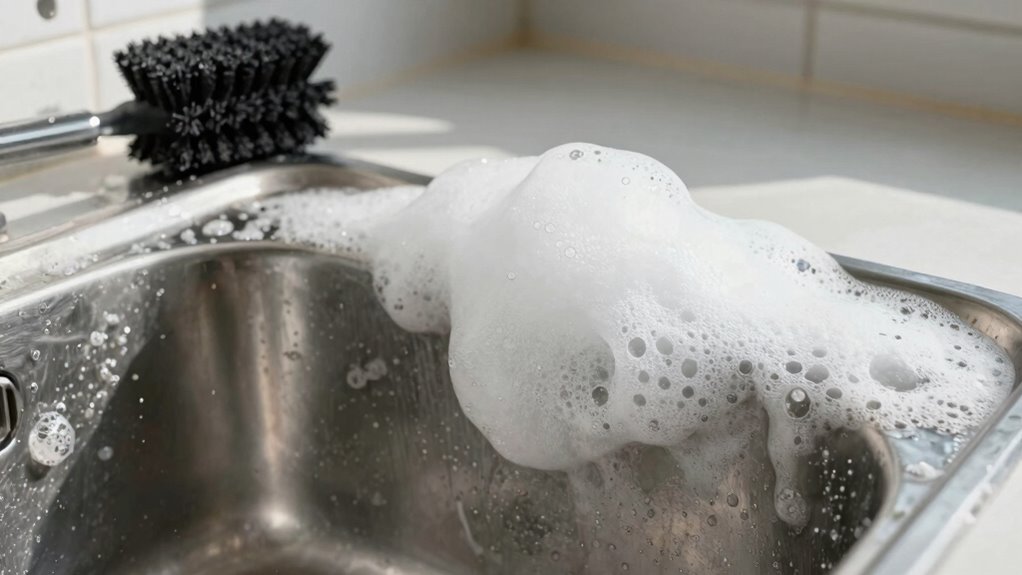
Have you ever believed that a foamy cleaner cleans better? It’s a common misconception rooted in the idea that more bubbles mean more cleaning power. But that’s not necessarily true. Foam isn’t a direct indicator of a product’s effectiveness. In fact, many effective cleaners produce minimal foam. The key lies in the ingredients and how well they break down dirt and grime. Foam mainly helps lift dirt to the surface, making it easier to wipe away, but it doesn’t tell you how well the cleaner is working on tough stains or bacteria. Additionally, some low-foam cleaners are formulated with eco friendly ingredients that are just as powerful, if not more so, than their foamier counterparts. When choosing cleaning products, it’s important to consider eco friendly ingredients. These are safer for the environment and for you. Many conventional cleaners contain harsh chemicals that can harm aquatic life, pollute waterways, or cause skin irritation. Eco friendly ingredients, on the other hand, are often derived from natural sources like plants and minerals. They work effectively without compromising user safety. You don’t need a lot of foam to get a surface clean when the ingredients are designed to be powerful yet gentle. For example, some plant-based cleaning agents are specially formulated to be both effective and environmentally friendly. By selecting products with eco friendly ingredients, you’re making a conscious choice to protect the planet and yourself. User safety is another critical factor. Many foaming cleaners contain chemicals like sulfates and synthetic fragrances that can trigger allergies or respiratory issues. The more foam a product produces, the more likely it is that it contains these irritants. So, don’t be fooled into thinking that a highly foaming cleaner is the safest or most effective option. Instead, look for labels that emphasize user safety and transparency about ingredients. Products with minimal foam can still deliver excellent cleaning results while reducing the risk of skin or eye irritation. They’re often formulated with safer, plant-based ingredients that are less likely to cause adverse reactions. For example, formulation techniques can enhance cleaning power without relying on excessive foam. To further support the effectiveness, some formulations incorporate advanced cleaning technology to maximize dirt removal even with less foam. When evaluating cleaning products, understanding the role of foam in cleaning can help you make more informed choices. In the end, don’t equate foam with cleaning prowess. A cleaner that produces lots of bubbles might seem appealing, but it doesn’t guarantee superior results. Focus on the ingredients and the product’s safety profile. Eco friendly ingredients show that a cleaner can be both effective and gentle, protecting your health and the environment. Remember, effective cleaning isn’t about how much foam you see—it’s about how well the cleaner tackles dirt, bacteria, and stains, all while keeping you and the planet safe. So next time you reach for a product, consider these factors rather than just the foam.
eco-friendly all-purpose cleaner
As an affiliate, we earn on qualifying purchases.
As an affiliate, we earn on qualifying purchases.
Frequently Asked Questions
Does Foam Level Indicate Cleaning Power?
Foam level doesn’t directly indicate cleaning power. Instead, focus on foam quality, which affects how well soap clings to surfaces and lifts dirt. Good foam can improve cleaning efficiency by allowing the detergent to stay in contact longer and loosen grime effectively. So, don’t rely solely on the amount of foam; prioritize the quality of the foam for better cleaning results.
Can Excessive Foam Damage Surfaces?
Excessive foam acts like a stubborn guest overstaying its welcome, risking surface damage and leaving behind messy foam residue. Too much foam can trap dirt and moisture, potentially harming delicate surfaces over time. It’s like a storm that leaves behind destruction—more isn’t always better. To protect your surfaces, use the right amount of foam, and guarantee it’s thoroughly rinsed away, preventing damage and residue buildup that could weaken or discolor your surfaces.
How Does Foam Affect Rinsing Effectiveness?
Foam consistency considerably impacts rinsing effectiveness. When foam is too thick, it can trap dirt and residues, making them harder to rinse away completely. Properly formulated foam helps loosen grime while allowing water to flow through easily, ensuring residue removal is efficient. If foam is overly dense or sticky, it may require more water and effort to rinse thoroughly, reducing cleaning efficiency and leaving behind unwanted film or residue.
Is Foam Quantity Related to Cleaning Ingredients?
The foam quantity isn’t directly related to cleaning ingredients. In fact, foam stability depends on a chemical composition that creates bubbles, not the amount of foam produced. An interesting fact: high foam stability can help prolong cleaning action, but too much foam doesn’t mean better cleaning. So, focus on the right chemical balance, not just foam quantity, to guarantee effective cleaning without waste.
What Role Does Foam Play in Eco-Friendly Cleaning?
Foam in eco-friendly cleaning helps you see where you’ve applied the product, but it doesn’t directly boost cleaning power. Look for products with eco-friendly ingredients that prioritize biodegradability of foam, ensuring it breaks down naturally without harming the environment. Foam’s role is mainly visual, and its biodegradability confirms the product’s eco credentials. You can clean effectively while minimizing environmental impact by choosing biodegradable foams and eco-conscious ingredients.
Conclusion
Remember, more foam doesn’t mean your cleaning is more powerful—it’s like thinking a mountain of bubbles will scrub away every stain magically. If anything, it’s a sneaky trick that wastes your time and cleaning product. So, next time you see a bubbly explosion, don’t be fooled into thinking you’re winning. Real cleaning comes from proper technique and the right amount of product, not an avalanche of foam. Don’t get fooled—less foam, better clean!
Halloween Picks
halloween
As an affiliate, we earn on qualifying purchases.