When you look at COD, TOC, and BOD tests, each tells a different story about water quality. COD measures the oxygen needed to break down both organic and inorganic pollutants, revealing overall contamination. TOC focuses on organic compounds, indicating specific pollution sources. BOD shows how much oxygen bacteria will consume when degrading organic matter, reflecting biodegradability. Understanding these differences helps you assess water health more accurately—if you want to explore how each test impacts water management, keep going.

Get school and study supplies delivered free — and shop member deals
- Fast, free delivery on millions of items
- Access to Prime Big Deal Days deals on October 6–7
- Prime Video, Amazon Music and more included
Key Takeaways
- COD measures total oxygen demand from chemical oxidation of organic and inorganic substances, indicating overall contamination levels.
- TOC quantifies organic carbon compounds, revealing specific organic pollution sources and load in water.
- BOD assesses biological oxygen consumption over five days, reflecting organic matter biodegradability and ecological health.
- Each test evaluates different aspects of water pollution: chemical presence, organic content, and biological impact.
- Together, COD, TOC, and BOD provide a comprehensive understanding of water quality and pollution sources.
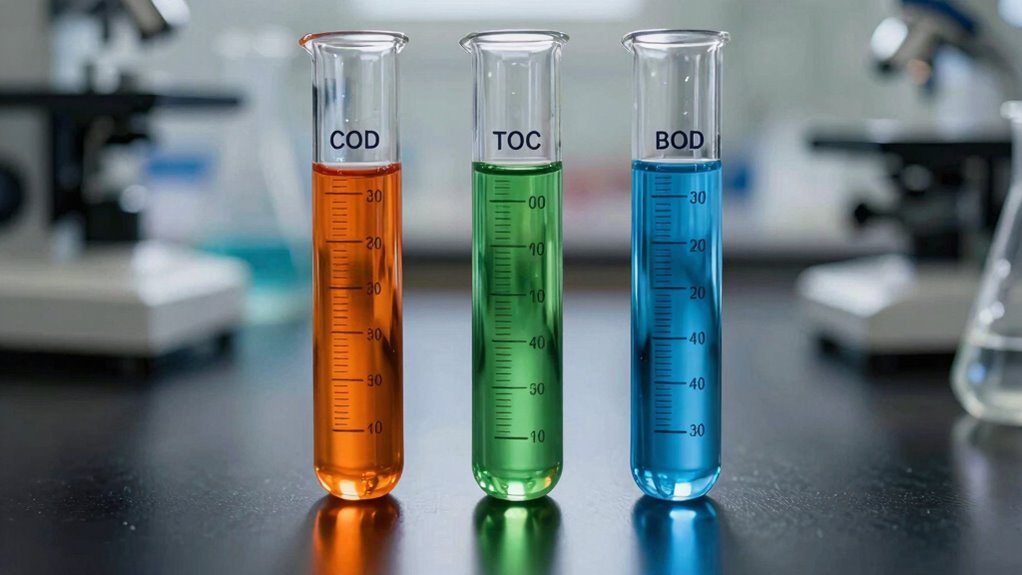
Understanding water quality is essential, especially when it comes to evaluating pollution levels and ensuring safe water for various uses. One of the most effective ways to do this is through water sampling—collecting samples that accurately represent the water source. When you perform water sampling, you gather critical information about contamination sources that might threaten health or environmental integrity. These sources could be industrial discharges, agricultural runoff, or natural mineral deposits, all of which influence the water’s chemical composition. To understand what’s happening beneath the surface, you rely on specific tests like COD, TOC, and BOD, each telling a different part of the story.
Chemical Oxygen Demand (COD) measures the amount of oxygen required to chemically oxidize organic and inorganic substances in water. When you run a COD test, you’re essentially gauging the total amount of pollutants that could deplete oxygen in a water body, harming aquatic life. High COD levels often indicate significant contamination sources, such as wastewater discharge from factories or sewage. This test is rapid and thorough, giving you a snapshot of the water’s overall pollution level. It helps you determine whether the water is suitable for discharge into the environment or needs further treatment. Recognizing pollutant sources is crucial for developing effective remediation strategies. In addition, understanding the chemical composition of the pollutants can help tailor treatment methods more effectively. This comprehensive understanding aids in implementing appropriate pollution control measures.
COD assesses oxygen needed to oxidize pollutants, indicating overall water pollution and contamination sources.
Total Organic Carbon (TOC) focuses specifically on organic compounds present in water. When you analyze TOC, you’re measuring the total amount of carbon contained in organic molecules, which are often the result of natural processes or pollution. Elevated TOC levels can point to contamination sources like agricultural runoff, leaking septic systems, or industrial waste. This test is particularly useful because it provides a direct indication of the organic load in the water, which can impact biological processes or serve as a food source for bacteria. Knowing the TOC helps you evaluate the potential for microbial growth and the need for treatment.
Biochemical Oxygen Demand (BOD), on the other hand, measures how much oxygen bacteria consume when they break down organic matter over a specific period, usually five days. When you perform a BOD test, you’re observing how biodegradable the organic material in the water is. High BOD values suggest that contamination sources are releasing substantial amounts of organic matter, which can lead to oxygen depletion in natural water bodies. This oxygen depletion can kill fish and other aquatic life, making BOD an essential test for assessing ecological health. Additionally, BOD testing can help monitor the effectiveness of water treatment processes over time. Recognizing biodegradable organic matter is important for understanding the potential for oxygen depletion and ecological impact.
water quality test kits for COD TOC BOD
As an affiliate, we earn on qualifying purchases.
As an affiliate, we earn on qualifying purchases.
Frequently Asked Questions
How Are These Tests Used in Industrial Wastewater Management?
You use COD, TOC, and BOD tests to monitor and control wastewater quality, ensuring it meets regulatory standards. These tests help you identify organic pollution levels and determine treatment needs. Proper sample preservation is essential to maintaining accuracy, preventing changes before analysis. By regularly conducting these tests, you can optimize treatment processes, reduce environmental impact, and stay compliant with regulations, safeguarding water resources effectively.
What Are the Cost Differences Between COD, TOC, and BOD Testing?
Ever wondered which water test costs more? You’ll find that BOD testing generally has lower equipment costs but takes longer, affecting overall expenses. COD testing offers quicker results with moderate equipment costs, making it more expensive than BOD but less than TOC. TOC testing usually involves the highest equipment costs and sophisticated analysis, impacting overall testing expenses. When considering testing accuracy and equipment costs, your choice depends on your budget and timeline.
Can These Tests Be Performed on Any Type of Water Sample?
You can perform COD, TOC, and BOD tests on various water samples, but proper sample preparation is essential. Different water types, like wastewater, surface water, or industrial effluents, may require specific handling to guarantee test accuracy. Factors like sample contamination or handling methods can influence results. Always follow the recommended procedures for each test and sample type to obtain reliable data and accurate insights into water quality.
How Long Does It Take to Get Results From Each Test?
You can typically get results from each test within 24 to 48 hours, depending on the laboratory and sample preservation methods. Proper sample preservation guarantees testing accuracy and prevents contamination or degradation. If you’re doing the tests in-house, results may be quicker, often within a few hours. Always follow recommended preservation protocols to guarantee accurate results and reliable data for water quality assessments.
Are There Any Newer or Alternative Water Quality Testing Methods?
You’ll find that innovative testing technologies like rapid spectroscopic methods and biosensors are emerging as faster, more accurate substitutes to traditional water tests. These methods often provide real-time results, helping you meet regulatory compliance standards efficiently. By adopting such advanced techniques, you can streamline monitoring processes, reduce turnaround times, and guarantee your water quality assessments stay current with evolving industry requirements.
Conclusion
So, you see, mastering COD, TOC, and BOD isn’t just about ticking boxes. Ironically, no matter how precise your tests are, they all tell a different story about your water’s health. You might think you’ve got it all figured out, but sometimes, the real truth hides in the details you overlook. After all, in water testing, the most straightforward test often reveals the most complex story.
Halloween Picks
halloween
As an affiliate, we earn on qualifying purchases.