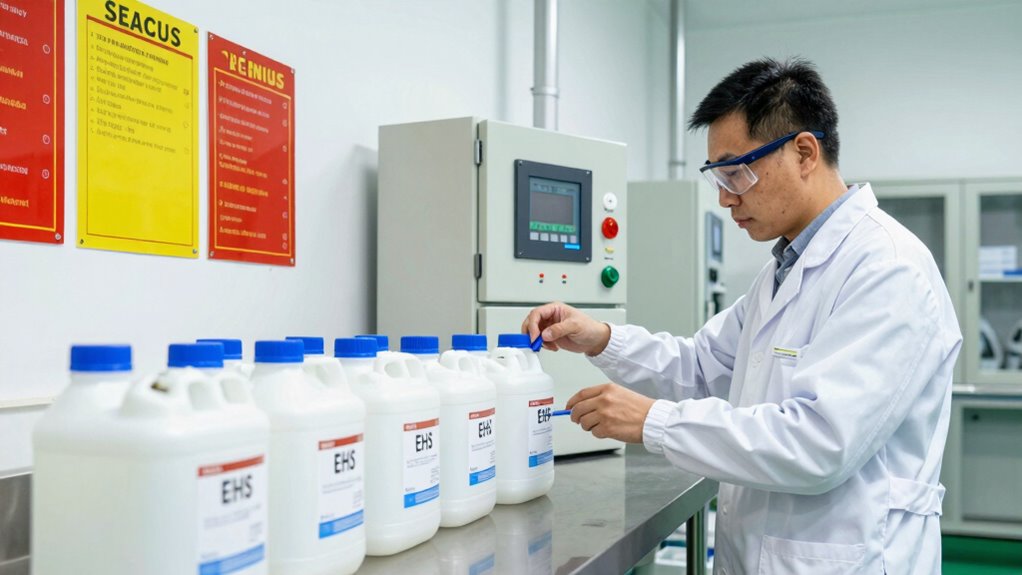

As an EHS specialist in chemical manufacturing, you guarantee operations meet strict environmental, health, and safety standards. You monitor emissions, handle hazardous materials, and conduct safety inspections to prevent accidents. Your role involves working closely with engineers and staff to develop procedures that protect people and the environment. Staying current on regulations and implementing safety protocols keeps the facility compliant and sustainable. If you keep exploring, you’ll discover more about how you can make a real impact in this crucial field.
Get ready for Prime Big Deal Days — try Prime free
Exclusive member deals on October 6–7, plus fast free delivery. Cancel anytime.
As an affiliate, we earn on qualifying purchases.
Key Takeaways
- EHS specialists ensure chemical manufacturing complies with environmental, health, and safety regulations through monitoring, audits, and training.
- They identify and mitigate hazards like spills or leaks by conducting risk assessments and implementing safety protocols.
- Collaboration with engineers and plant managers helps develop effective policies to reduce environmental impact and enhance safety.
- Strong knowledge of environmental laws and safety standards is essential for interpreting regulations and maintaining compliance.
- Success requires attention to detail, quick decision-making, and fostering a safety culture within the manufacturing facility.
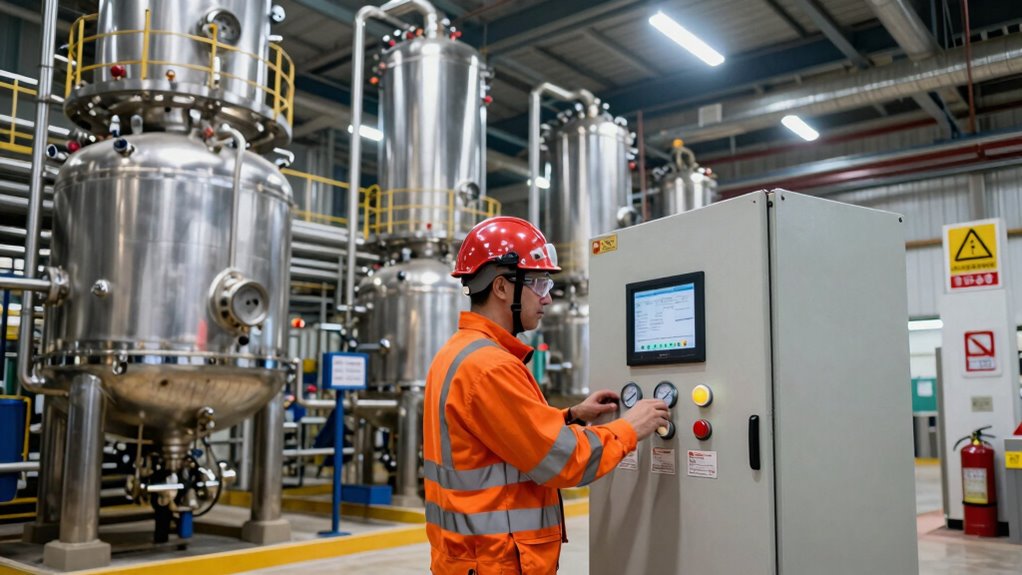
Have you ever wondered what it takes to keep a chemical manufacturing facility safe and compliant? As an EHS (Environmental, Health, and Safety) specialist, your role is essential in ensuring that operations run smoothly while meeting strict safety and environmental standards. Your primary focus is on maintaining environmental compliance, which involves adhering to regulations designed to protect the environment from hazardous substances and waste. This means regularly monitoring emissions, waste disposal, and chemical handling procedures, ensuring they align with local, state, and federal laws. Staying ahead of these regulations requires constant vigilance and a proactive approach, so you often coordinate audits, inspections, and training sessions to reinforce the importance of compliance throughout the organization.
Ensuring safety and compliance through vigilant monitoring, audits, and proactive training in chemical manufacturing facilities.
In addition to regulatory adherence, hazard mitigation plays a crucial role in your daily responsibilities. You identify potential risks in the facility—whether from chemical spills, leaks, or equipment failures—and develop strategies to prevent accidents before they happen. This involves conducting thorough risk assessments, implementing safety protocols, and ensuring that staff are trained to handle emergency situations effectively. Your expertise helps create a culture of safety, where everyone understands their role in hazard prevention and response. You also oversee the proper storage, labeling, and transportation of hazardous materials, making sure that all procedures minimize risks to workers, nearby communities, and the environment. Additionally, utilizing technological tools can enhance monitoring and compliance efforts, ensuring more accurate and efficient oversight. Recognizing the importance of environmental compliance can significantly improve your facility’s safety performance and public image. Staying informed about evolving regulations is vital to maintaining a proactive safety strategy and adapting quickly to new safety standards. Being proactive in understanding the regulatory landscape can help prevent costly violations and enhance overall safety practices. Developing a deep understanding of environmental laws and safety standards is crucial for staying compliant and proactively managing risks.
To succeed as an EHS specialist, you need a strong understanding of environmental laws and safety standards, as well as practical skills in hazard mitigation. You often work closely with engineers, plant managers, and workers to develop and enforce policies that reduce environmental impact while safeguarding human health. Your responsibilities extend to investigating incidents, analyzing root causes, and recommending improvements to prevent future issues. Through these efforts, you help the facility not only stay compliant but also operate more sustainably and responsibly.
The job demands attention to detail, quick thinking, and effective communication. You must be able to interpret complex regulations and translate them into actionable procedures that everyone can follow. Your role is indispensable in fostering a safe work environment where environmental compliance and hazard mitigation are seamlessly integrated into daily operations. Ultimately, your work ensures that the facility remains productive, compliant, and environmentally responsible, making a tangible difference in safeguarding both people and the planet.
As an affiliate, we earn on qualifying purchases.
Frequently Asked Questions
What Certifications Are Most Valued for EHS Specialists?
You’ll find that certifications like OSHA’s Outreach Training, Certified Safety Professional (CSP), and Environmental, Health, and Safety (EHS) certifications are highly valued. These credentials demonstrate your expertise in workplace safety and understanding of regulatory standards. Holding such certifications shows employers you’re committed to maintaining a safe environment, staying compliant with regulations, and proactively managing risks—key qualities for success as an EHS specialist in chemical manufacturing.
How Do EHS Specialists Handle Emergency Chemical Spills?
When handling emergency chemical spills, you prioritize safety by quickly identifying the chemical hazard and implementing spill response procedures. You wear appropriate protective equipment and contain the spill using absorbent materials. You alert the appropriate teams and follow established protocols to prevent contamination or accidents. Your swift, organized response minimizes risks, protects personnel and the environment, and guarantees compliance with safety regulations during spill response efforts.
What Are Typical Career Advancement Paths in This Field?
Like climbing the ladder in a vintage elevator, your career can ascend from EHS specialist to roles like EHS manager, director, or corporate safety officer. You’ll find opportunities for industry networking and improving work-life balance as you grow. Gaining certifications, broadening your expertise, and taking on leadership roles open doors, enabling you to influence safety policies and advance your career while maintaining a balanced, engaging professional life.
How Does Technology Impact EHS Compliance Monitoring?
Technology considerably improves your EHS compliance monitoring through data analytics and automated reporting. Data analytics helps you analyze real-time data, identify risks, and make informed decisions quickly. Automated reporting streamlines documentation processes, ensuring you stay compliant with regulations effortlessly. These tools reduce manual work and errors, allowing you to focus more on proactive safety measures. Embracing technology enhances your ability to maintain a safe, compliant, and efficient chemical manufacturing environment.
What Are Common Challenges Faced by EHS Specialists?
You often face unexpected challenges that test your commitment to workplace safety and environmental regulations. Balancing strict compliance with evolving laws, managing complex safety protocols, and addressing employee concerns can feel overwhelming. You also need to stay ahead of new environmental standards and guarantee all safety measures are up-to-date. These hurdles demand constant vigilance, adaptability, and effective communication to protect workers, the environment, and meet regulatory expectations seamlessly.
Conclusion
As an EHS specialist in chemical manufacturing, you play a crucial role in safeguarding people and the environment. Did you know that companies with effective safety programs see up to a 50% reduction in workplace incidents? Your expertise helps create safer workplaces and promotes sustainable practices. Embrace this career path, knowing that your efforts not only protect lives but also contribute to the industry’s success and responsibility. Your work truly makes a difference.
NFL season / tailgating Picks
team gear
As an affiliate, we earn on qualifying purchases.